
Start with the deadline and the space
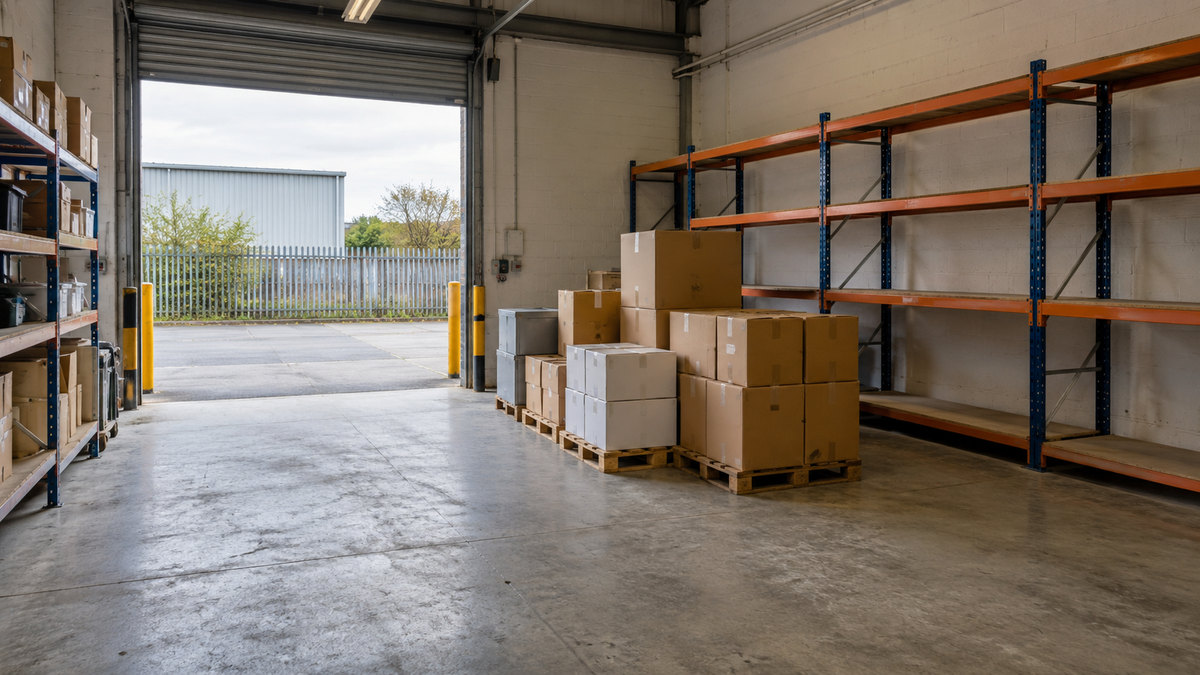
Send photographs of the goods and loading area, a list of what needs to go and the date the space must be available. Include vehicle access, loading equipment and any hours when collection is restricted.
Commercial landlords should confirm their authority to sell or remove goods left on site. We will need to distinguish stock available for purchase from waste, fixtures and anything excluded from the clearance.
Information that helps us plan
- The inventory and photographs of both the goods and the loading area.
- The collection postcode, access restrictions and deadline.
- Available loading equipment and any goods requiring specialist handling.
- Items that must stay on site and any fixtures excluded from the sale.
- The authorised seller or landlord contact.
Agree the scope before collection
A purchase of stock does not automatically include dismantling, waste removal or making good the premises. Set out what you need so the responsibilities can be agreed clearly.
For installed machinery, describe connections, dimensions and access. Do not begin dismantling or moving goods on the assumption that a collection has been accepted.
Useful questions
Do you consider smaller warehouse clearances?
Yes. We consider small stock clearances as well as larger inventories. Send the details so the goods and collection requirements can be assessed.
Can a commercial landlord enquire?
Yes, provided the landlord can establish authority to sell or remove the goods. Include the deadline and what is to remain in the premises.
Does a stock clearance include waste removal?
Only work expressly agreed is included. Stock purchase, waste handling, dismantling and building repairs are different activities and must not be assumed to form one service.